|
Posted by Theresa Fisher on Feb 12, 2018
Fusce et nisi sit amet mauris tincidunt elementum non nec urna. Ut tincidunt blandit lacus ut mollis. Phasellus nulla turpis, tempor vel tincidunt dapibus, hendrerit eget risus. Vivamus nec felis cursus, molestie lacus vel, elementum erat. Nulla et posuere ipsum. Fusce erat nisi, pretium eu commodo nec, pulvinar aliquet nisl. Cras vel elit non mi mollis cursus tristique vel dolor. Vivamus magna dolor, vehicula et augue id, iaculis commodo eros. Donec eget nulla sit amet dolor facilisis faucibus. Fusce rutrum nec metus eu egestas. Mauris id orci porttitor, porta velit ac, condimentum odio. Donec eu dolor a risus rhoncus egestas. Vestibulum at justo vitae tortor ullamcorper elementum.
|
Lorem
|
Theresa Fisher
|
2018-02-12 05:00:00Z |
0
|
Interesting,Lorem |
|
Posted by Alexander Black on Jul 05, 2017

Writing a story from beginning to end is a complex task that people approach in varying ways. Some are guided by their characters or by instinct. However, it is possible for you to take charge of your plot and steer it in your intended direction from the opening sentence to the final paragraph. Even if you’re a pantser. Here’s how: The first thing to keep in mind is that while structure, story and plot are all related to one another, they are not the same thing. Structure is something that can be shared by hundreds, thousands or even millions of stories, but the stories themselves can be very different. This is why most movie screenplays can follow a similar three-act structure regardless of genre or story, and it is also why the scholar Joseph Campbell was able to identify a number of similar key structural points in different myths from all over the world. The novelist and critic E.M. Forster differentiated plot and story by defining story as simply a recounting of the events and plot as more concerned with cause and effect – how one event leads to another. This definition can help you discern a common weakness in plots. That weakness is the causal relationship. In other words, in order to have a strong plot, incidents must cause other incidents to happen. Therefore, plot incorporates the elements of story, but it must also demonstrate why the things in the story happen. The classic example that Forster gives is that the king died and then the queen died is story while the king died and then the queen died of grief is plot.
|
Writing a story from beginning to end: How to take charge of plot
|
Alexander Black
|
2017-07-05 04:00:00Z |
0
|
Interesting,Québec,Writing |
|
Posted by Albert Shitkov on May 31, 2017
If you want readers to fall in love with your novels, writing great characters is crucial. When readers feel connection to your characters, it’s easy to get lost in the world you’ve created. Read 5 lessons modern novels give us in writing vivid characters: Lesson 1: Make characters surprise each other and the readerGreat characters are often revealed in stages rather than all at once. Allow characters to surprise each other and your readers, too, with dramatic (but credible) changes.
Atlanta 2017
Books
Tag ID Required
Tags Library
Toronto 2018
Writing
Read more
|
Writing great characters: 5 lessons from modern novels
|
Albert Shitkov
|
2017-05-31 04:00:00Z |
0
|
Atlanta 2017,Books,Tag ID Required,Tags Library,Toronto 2018,Writing |
|
Posted on May 08, 2017

Des séries bilingues, diffusées dans les programmes en langues étrangères de RFI, proposent aux auditeurs non francophones une initiation ou un perfectionnement à la langue française. Les séries reposent sur des concepts originaux pour découvrir le fonctionnement du français à travers des histoires à suspense ou des reportages.
FrenchCafe2017
Québec
Spring2017
séries bilingues
Read more
|
Parlez-vous Paris ?
|
Rita Skitter
|
2017-05-08 04:00:00Z |
0
|
FrenchCafe2017,Québec,Spring2017,séries bilingues |
|
Posted by Rita Skitter on Apr 11, 2017
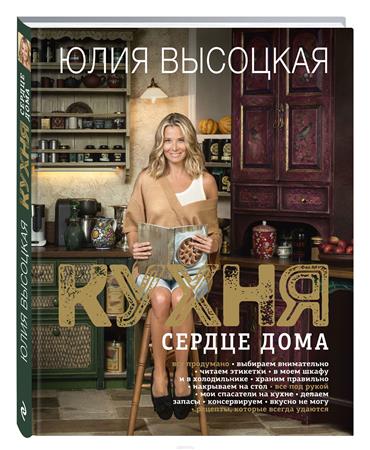
Story 1Кухня - главное место в доме, где объединяется за столом вся семья, где творятся кулинарные чудеса и сохраняются традиции. Как создать кухню своей мечты: заполнить шкафы, чтобы все было под рукой, решить, где удобнее хранить кастрюли и моющие средства, высчитать, сколько продуктов покупать, чтобы хватило от закупки к закупке? Как продумать и просчитать все заранее, чтобы можно было двигаться по своей кухне с закрытыми глазами и скоростью метеора, а главное всегда чувствовать себя во всеоружии, даже если на пороге объявились неожиданные гости. Не менее важно уметь правильно выбирать продукты, грамотно их хранить и знать, как наилучшим образом их можно приготовить. Своим опытом, секретами и основополагающими рецептами без которых не обойдется ни одна хорошая хозяйка и делится в новой книге ее автор - актриса и телеведущая Юлия Высоцкая.
Books
Cooking
Housekeeping
Interesting
Life
Things I Like
Кухня
Юлия Высоцкая
Read more
|
Юлия Высоцкая Кухня — главное место в доме
|
Rita Skitter
|
2017-04-11 04:00:00Z |
0
|
Books,Cooking,Housekeeping,Interesting,Life,Things I Like,Кухня,Юлия Высоцкая |
|
Posted by Adam Andrews on Nov 21, 2016
Lorem Ipsum is simply dummy text of the printing and typesetting industry. Lorem Ipsum has been the industry's standard dummy text ever since the 1500s, when an unknown printer took a galley of type and scrambled it to make a type specimen book.
|
QA Story Video
|
Adam Andrews
|
2016-11-21 05:00:00Z |
0
|
Interesting,Lorem,séries bilingues |
|
Posted by Viole AA on Nov 21, 2016
Where does it come from?Contrary to popular belief, Lorem Ipsum is not simply random text. It has roots in a piece of classical Latin literature from 45 BC, making it over 2000 years old. Richard McClintock, a Latin professor at Hampden-Sydney College in Virginia, looked up one of the more obscure Latin words, consectetur, from a Lorem Ipsum passage, and going through the cites of the word in classical literature, discovered the undoubtable source. Lorem Ipsum comes from sections 1.10.32 and 1.10.33 of "de Finibus Bonorum et Malorum" (The Extremes of Good and Evil) by Cicero, written in 45 BC. This book is a treatise on the theory of ethics, very popular during the Renaissance. The first line of Lorem Ipsum, "Lorem ipsum dolor sit amet..", comes from a line in section 1.10.32. The standard chunk of Lorem Ipsum used since the 1500s is reproduced below for those interested. Sections 1.10.32 and 1.10.33 from "de Finibus Bonorum et Malorum" by Cicero are also reproduced in their exact original form, accompanied by English versions from the 1914 translation by H. Rackham.
|
QA Story link 1
|
Viole AA
|
2016-11-21 05:00:00Z |
0
|
|
|
Posted by Gamora Nimms
|
QA new story 4
|
Gamora Nimms
|
2016-11-06 04:00:00Z |
0
|
|